What this am I anemic quiz measures
This am I anemic quiz estimates how often anemia-like symptom patterns showed up in the past two weeks. Twenty-two original frequency items group into four domains drawn from common clinical presentations: fatigue drain, physical weakness, cardiorespiratory strain, and circulation signs. Your anemia symptom index averages these patterns into a 0 to 100 score with plain-language bands. It reflects symptoms you notice, not lab values from a complete blood count.
Fatigue drain
Tiredness after sleep, mid-afternoon crashes, and canceling plans from low energy.
Physical weakness
Heavy limbs on stairs, shakiness on standing, cold extremities, and reduced lifting strength.
Cardiorespiratory strain
Shortness of breath, dizziness, racing heart, headaches, and pausing on flat walks.
Circulation signs
Paleness, brittle nails, hair shedding, and cravings for ice or other non-food items.
How it works
Three steps from first question to your anemia symptom report. Click Start Quiz to open the interactive quiz in a full-screen modal.
Answer 22 frequency items
Rate how often each anemia-like symptom pattern showed up in the past two weeks, from Never to Very often. You click Next after each answer; nothing auto-advances.
Items map to four symptom domains
Your answers accumulate percentages for fatigue drain, physical weakness, cardiorespiratory strain, and circulation signs, plus an overall anemia symptom index.
View band and domain bars
Results show Lower, Mixed, or Higher Anemia Symptom Signals with domain bars and medical referral guidance on elevated bands.
Take the am I anemic quiz
Rate 22 statements about fatigue, weakness, breathlessness, and circulation signs from the past two weeks. Your answers produce an anemia symptom index from 0 to 100, four domain scores, and a band label for reflection or a doctor visit.
Opens in a focused modal. No account required. Results stay on screen.
What your result means
Your anemia symptom index is the normalized total across all 22 items on a 0 to 100 scale, with reverse scoring on protective items so higher scores mean more symptom burden overall. Domain bars show endorsement rates so you can see whether fatigue drain, weakness, breathlessness, or circulation signs drives your result most.
| Band | Index range | Typical reading |
|---|---|---|
| Lower Anemia Symptom Signals | 0 to 35 | Fewer anemia-like patterns on this screener; short illness or sleep debt may still cause tired days |
| Mixed Anemia Symptom Signals | 36 to 65 | Blend of fatigue, weakness, or breathlessness worth monitoring and discussing with a clinician |
| Higher Anemia Symptom Signals | 66 to 100 | Frequent symptom patterns; schedule CBC and ferritin testing with your doctor |
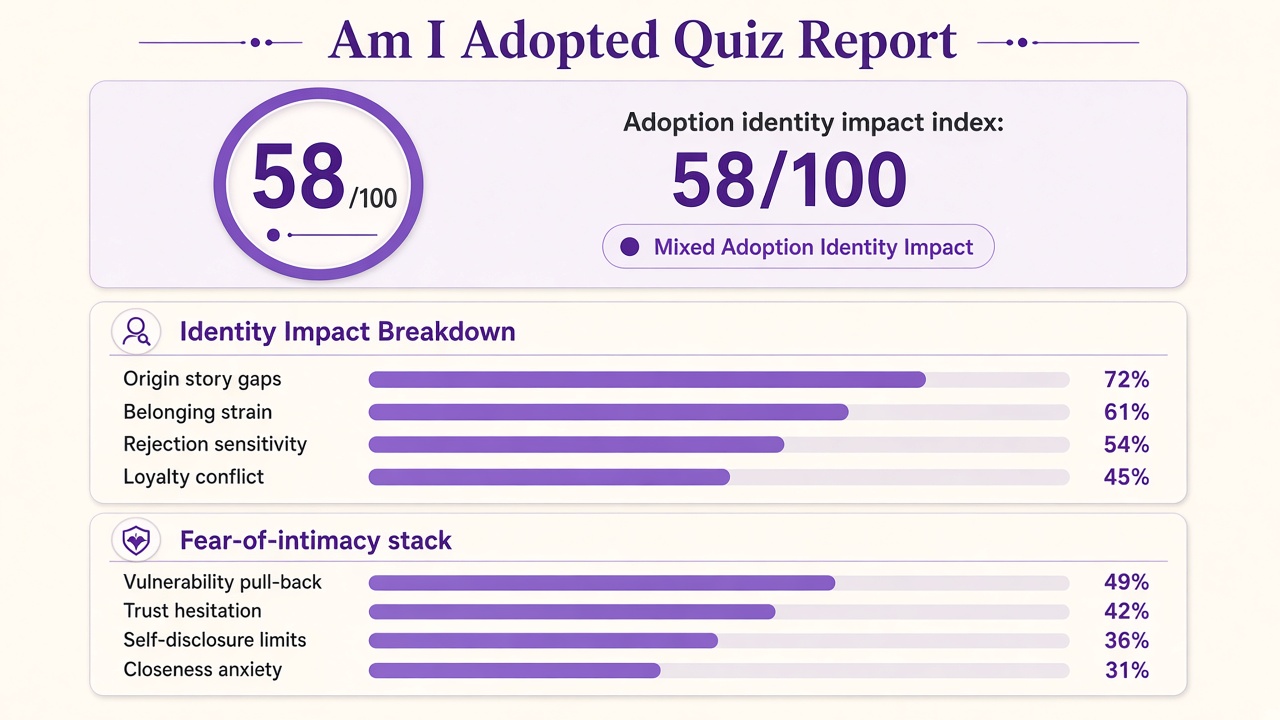
What your am I anemic report looks like
After all 22 items, you get an anemia symptom index from 0 to 100, a band label, and four domain bars for fatigue drain, physical weakness, cardiorespiratory strain, and circulation signs. Percentages reflect symptom frequency you reported, not hemoglobin levels from blood work.
What this quiz can and cannot tell you
Can tell you
- How often anemia-like symptoms showed up for you in the past two weeks
- An anemia symptom index and four domain bars for fatigue, weakness, breathlessness, and circulation
- Which symptom domain feels strongest in your current pattern
- A starting point for a primary care visit or blood work conversation
Cannot tell you
- Whether you have anemia, iron deficiency, or any medical diagnosis
- Your hemoglobin, ferritin, or red blood cell counts without lab tests
- Whether symptoms come from thyroid disease, heart conditions, or infection
- What treatment you need without a licensed clinician's evaluation
Anemia symptoms, iron deficiency, and when to test
The World Health Organization defines anemia as a hemoglobin concentration below established thresholds that vary by age, sex, and pregnancy status. The National Heart, Lung, and Blood Institute (NHLBI) notes that iron-deficiency anemia is the most common type worldwide and that symptoms often build gradually: fatigue, weakness, pale skin, shortness of breath, dizziness, and cold hands or feet. Heavy menstrual bleeding, pregnancy, vegetarian diets without iron planning, gastrointestinal conditions, and chronic illness are frequent contributors. None of those causes can be confirmed from symptoms alone.
The Quiz Hub built this am I anemic quiz as an original self-report screener inspired by common anemia presentations, not a reproduction of any single published clinical instrument. Readers often compare it to sibling tools on this site. Our why am I so tired quiz screens fatigue drivers across sleep, stress, mood, and lifestyle rhythm. The am I burnt out quiz measures emotional exhaustion and cynicism at work. The depression test tracks mood and anhedonia over two weeks rather than physical weakness on stairs.
| The Quiz Hub test | What it adds |
|---|---|
| Why am I so tired quiz | Five fatigue driver domains across sleep, stress, physical, mood, and rhythm |
| Am I burnt out quiz | MBI-inspired exhaustion, cynicism, and efficacy strain at work or school |
| Depression test | PHQ-style mood and anhedonia frequency, not breathlessness or paleness signs |
| Am I overwhelmed quiz | Mental load and coping strain, not cardiorespiratory anemia-like symptoms |
| Am I a hypochondriac quiz | Health anxiety and symptom fixation patterns, not anemia symptom frequency |
| This am I anemic quiz | Four-domain anemia symptom index for fatigue, weakness, breathlessness, and circulation signs |
Sample item types include frequency ratings such as whether you felt unusually tired after a full night of sleep, or whether you got dizzy when standing up quickly. High fatigue drain with high cardiorespiratory strain often lands in Mixed or Higher Anemia Symptom Signals. Viral illness, poor sleep, and anxiety can spike scores temporarily. A clinician typically orders a complete blood count and may add ferritin, vitamin B12, or folate depending on your history. Read how we review quizzes in our editorial policy or browse more tools on our mental health and clinical hub.
Am I anemic quiz FAQ
What is anemia?
Anemia means your blood carries less oxygen than your body needs, often because of low red blood cells or hemoglobin. Common symptoms include persistent fatigue, weakness, dizziness, shortness of breath, and paler skin or nail beds. Many conditions can cause similar symptoms. This am I anemic quiz measures how often those patterns showed up for you in the past two weeks. It is not a blood test or diagnosis.
What does this am I anemic quiz measure?
Twenty-two original frequency items ask how often you experienced fatigue drain, physical weakness, cardiorespiratory strain, and circulation signs inspired by common anemia presentations. You receive an anemia symptom index from 0 to 100 and a band from Lower through Higher Anemia Symptom Signals. Only a complete blood count ordered by a clinician can confirm anemia.
How is this different from the why am I so tired quiz?
The why am I so tired quiz screens fatigue drivers across sleep, stress, mood, and lifestyle rhythm. This am I anemic quiz focuses on anemia-like physical patterns: weakness on stairs, dizziness on standing, breathlessness with mild activity, and circulation appearance signs. It uses a two-week symptom frequency frame rather than broad fatigue causes.
Can this quiz diagnose anemia?
No. The anemia symptom index describes self-reported symptom frequency on this abbreviated screener. Only a licensed clinician can evaluate anemia through blood tests such as a complete blood count and ferritin, physical exam, and review of bleeding or diet history. Online quizzes cannot confirm or rule out anemia.
What should I do if I get a higher anemia symptom band?
Schedule an appointment with your primary care doctor and ask about CBC and ferritin testing. Bring your result summary and describe menstrual changes, diet, supplements, or any bleeding. Go to urgent care or emergency services for chest pain, fainting, or severe shortness of breath.
Who reviewed this content?
Dr. Elena Vasquez, PhD, reviewed the test framing and result explanations. See our editorial policy for review standards.
Reviewed by