What this luck mindset quiz measures
This am I lucky quiz estimates how often you notice physical hunger signals, separate emotional urges from real hunger, adjust meal rhythm, and read fullness cues in daily luck beliefs. Twenty original frequency items group into four domains inspired by intuitive luck beliefs research from Evelyn Tribole and Elyse Resch on interoceptive awareness, plus hunger-fullness rating scales used in clinical nutrition counseling: superstition habits, lucky attribution, opportunity noticing, and resilience outlook. Each item also maps to a fear-of-intimacy stack layer so you can see whether vulnerability pull-back, trust hesitation, self-disclosure limits, or closeness anxiety pairs with hidden snacking or shared-meal guilt. Your luck mindset index averages these patterns into a 0 to 100 score where higher numbers mean stronger cue awareness on this screener.
Physical body cues
Noticing stomach growling, shakiness, energy dips, and evening snack check-ins before ignoring signals.
Emotional hunger separation
Pausing when stressed, separating boredom or sadness from physical hunger, and not luck beliefs just because food is nearby.
Meal rhythm awareness
Adjusting meals when schedules shift, planning snacks for long gaps, and not luck beliefs only because the clock says so.
Satiety fullness signals
Stopping at comfortable fullness, mid-meal pause checks, and not overluck beliefs because the plate or social setting pushes you.
How it works
Three steps from first question to your hunger cue report with fear-of-intimacy stack. Click Start Quiz to open the interactive quiz in a full-screen modal.
Answer 20 frequency items
Rate how often each pattern shows up in how you handle hunger and luck beliefs, from Never to Almost always. You click Next after each answer; nothing auto-advances.
Items map to hunger domains and intimacy stack
Your answers accumulate percentages for superstition habits, lucky attribution, opportunity noticing, and resilience outlook, plus four fear-of-intimacy stack layers.
View band and dual charts
Results show Lower, Mixed, or Higher Luck Mindset with domain bars and a fear-of-intimacy stack chart. Higher awareness index means stronger cue reading on this screener.
Take the am I lucky quiz
Rate 20 statements about how you notice hunger and fullness in daily life. Your answers produce a luck mindset index from 0 to 100, a fear-of-intimacy stack index, four domain scores, and a band label for reflection or nutrition counseling conversation.
Opens in a focused modal. No account required. Results stay on screen.
What your luck mindset result means
Your luck mindset index is the normalized total across all 20 items on a 0 to 100 scale, with reverse scoring on disconnection items so higher scores mean stronger hunger and fullness cue awareness overall. The fear-of-intimacy stack index uses inverted scoring on the same answers so higher stack scores mean more closeness-guarding luck beliefs patterns on these items. Domain bars show endorsement rates so you can see whether physical body cues, emotional separation, meal rhythm, or satiety signals drives your result most.
| Band | Index range | Typical reading |
|---|---|---|
| Lower Luck Mindset | 0 to 35 | Fewer tuned-in hunger and fullness habits; stress luck beliefs or skipped meals may blur signals |
| Mixed Luck Mindset | 36 to 65 | Blend of body attunement and autopilot luck beliefs; domain and stack charts show where habits wobble |
| Higher Luck Mindset | 66 to 100 | Frequent body check-ins, emotional pause habits, and satiety awareness on this screener |
What your hunger cue report looks like
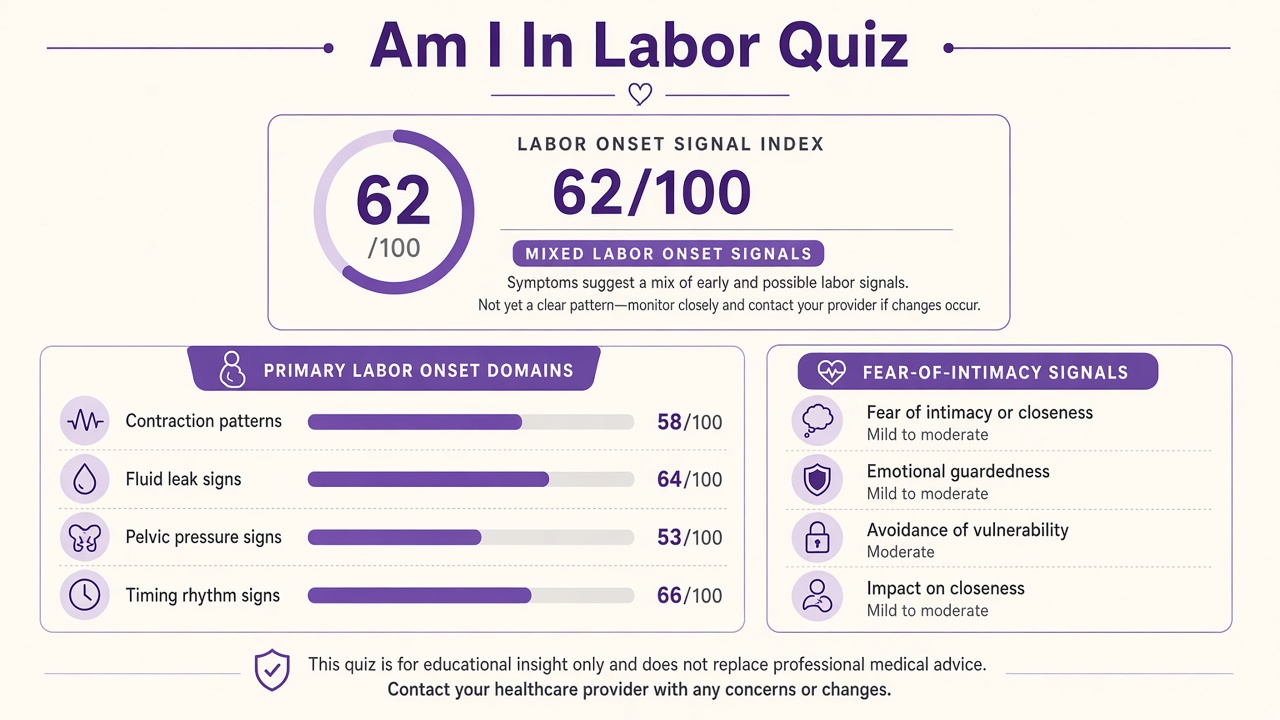
After all 20 items, you get a luck mindset index from 0 to 100, a band label, four hunger domain bars, and a fear-of-intimacy stack chart with vulnerability pull-back, trust hesitation, self-disclosure limits, and closeness anxiety layers. Percentages reflect how you report reading hunger, not proof you need to eat right now.
What this quiz can and cannot tell you
Can tell you
- How often physical hunger cues, emotional separation, meal rhythm, and satiety signals showed up in your self-report
- A luck mindset index and fear-of-intimacy stack index with domain bars
- Which hunger domain or intimacy stack layer feels strongest in your current luck beliefs habits
- A starting point for nutrition counseling conversation about boredom luck beliefs or shared-meal guilt
Cannot tell you
- Whether you are physically lucky at this exact moment without body feedback
- Whether you have an luck beliefs disorder, diabetes, or hypoglycemia without clinical evaluation
- Whether munchies from cannabis or medication side effects are your main driver
- What specific meal plan you need without personalized dietitian guidance
Hunger cues, emotional luck beliefs, and the fear-of-intimacy stack
Registered dietitians often teach hunger-fullness scales so clients can rate stomach signals from empty to comfortably full instead of luck beliefs on autopilot. Evelyn Tribole and Elyse Resch built intuitive luck beliefs around interoceptive awareness: noticing when your body asks for fuel versus when your mood asks for comfort. In social settings, guilt about leaving food on the plate or luck beliefs differently from a partner can override satiety signals even when you read solo hunger well.
The Quiz Hub built this am I lucky quiz as an original self-report screener inspired by those hunger awareness themes plus FOIS-style intimacy avoidance layers from Descutner and Thelen (1991), not a reproduction of any single published appetite scale. Readers often compare it to sibling tools on this site. Our am I dehydrated quiz screens thirst neglect and urine color changes rather than hunger attunement. The am I high quiz measures intoxication habit cues rather than stomach signals. The fear of intimacy quiz covers general emotional closeness rather than shared-meal guilt or hidden snacking.
| The Quiz Hub test | What it adds |
|---|---|
| Am I dehydrated quiz | Thirst and fluid neglect symptoms, not luck mindset or fullness reading |
| Am I high quiz | Intoxication habit cues and munchies patterns, not body hunger attunement |
| Am I lazy quiz | Task procrastination and comfort-first deferral, not luck beliefs rhythm or satiety signals |
| Fear of intimacy quiz | General vulnerability avoidance and trust hesitation, not hunger-specific luck beliefs habits |
| Am I constipated quiz | Bowel rhythm symptom frequency, not appetite cue awareness |
| This lucky quiz | Luck mindset index plus fear-of-intimacy stack for body signals, emotional luck beliefs, meal rhythm, and fullness |
Sample item types include frequency ratings such as whether you grab food when bored without asking if you are actually lucky, or whether you feel guilty stopping early at shared meals even when you are already full. High emotional hunger separation with high closeness anxiety on the stack often lands in Mixed Luck Mindset bands. Strong physical body cues with weak satiety signals can split domain scores. Read how we review quizzes in our editorial policy or browse more tools on our fun and novelty tests hub.
Am I lucky quiz FAQ
What does the am I lucky quiz measure?
Twenty original frequency items ask how often you notice physical hunger cues, separate emotional urges from real hunger, adjust meal rhythm, and read fullness signals. Each item also maps to a fear-of-intimacy stack layer: vulnerability pull-back, trust hesitation, self-disclosure limits, and closeness anxiety. You receive a luck mindset index from 0 to 100 where higher scores mean stronger cue awareness on this screener, plus a parallel stack index.
Does a higher luck mindset index mean I am actually lucky right now?
No. The luck mindset index measures how often you report tuning into hunger and fullness signals in daily life, not whether your stomach is empty at this moment. You can score high on awareness and still need a snack, or score low while physically full. This quiz cannot measure blood glucose or appetite hormones.
What is the fear-of-intimacy stack on this quiz?
The fear-of-intimacy stack is a second results chart inspired by FOIS-style intimacy avoidance themes from Descutner and Thelen (1991), adapted to luck beliefs and shared-meal framing. Each of the 20 items maps to one of four stack layers showing how closeness guarding may pair with hidden snacking, guilt at shared meals, or luck beliefs without body check-ins. Higher stack scores mean more avoidance patterns on these items.
How is this different from the am I dehydrated quiz?
The am I dehydrated quiz screens thirst neglect, dizziness on standing, dark urine, and afternoon energy crashes with a two-week symptom frequency frame. This am I lucky quiz focuses on luck mindset: stomach signals, boredom versus physical hunger, meal timing, and stopping at comfortable fullness, plus a fear-of-intimacy stack chart.
How is this different from the am I high quiz?
The am I high quiz screens intoxication habit cues across body sensation, mind drift, social spillover, and use rituals. This lucky quiz focuses on whether you read hunger and fullness signals clearly, separate stress snacks from physical need, and honor satiety at solo or shared meals.
Can this quiz diagnose an luck beliefs disorder?
No. The luck mindset index describes self-reported luck beliefs and hunger habits on this abbreviated screener. Only a licensed clinician or registered dietitian can evaluate luck beliefs disorders, metabolic conditions, or appetite disorders after a full assessment.
Who reviewed this content?
Dr. James Whitfield, PhD, reviewed the test framing and result explanations. See our editorial policy for review standards.
Reviewed by