What this april fools quiz measures
This April Fools quiz estimates self-reported hoax literacy and prank ethics habits. Twenty original agree-disagree items group into hoax spotting, prank ethics, media literacy, and prank history following themes from Museum of Hoaxes archives and classic broadcast stunts. Each item also maps to a fear-of-intimacy stack layer. A second results chart inspired by FOIS-style intimacy avoidance themes from Descutner and Thelen (1991), adapted to this topic. Your April Fools literacy index averages these patterns into a 0 to 100 score.
Hoax spotting
Recognizing fake headlines, doctored images, and too-good-to-be-true claims
Prank ethics
Consent, safety, and knowing when jokes cross into harm
Media literacy
Checking sources, dates, and context before sharing viral pranks
Prank history
Classic April Fools broadcasts, corporate stunts, and internet hoax milestones
How it works
Answer 20 agree-disagree items
Rate each agree-disagree statement from Strongly disagree to Strongly agree. You click Next after each answer; there is no auto-advance.
Items map to domains and intimacy stack
Answers accumulate percentages for four primary domains plus four fear-of-intimacy stack layers.
View index, band, and charts
Results show Lower, Mixed, or Higher signal bands with domain bars and stack chart.
Take the april fools quiz
Complete 20 items to receive your april fools literacy index, four domain bars, fear-of-intimacy stack chart, and band label.
What your result means
Your april fools literacy index is the normalized total across all 20 items on a 0 to 100 scale. Domain bars show which domain drives your result most.
| Band | Index range | Typical reading |
|---|---|---|
| Lower April Fools Literacy | 0 to 35 | Fewer endorsed hoax literacy and prank ethics patterns on this self-reflection screener |
| Mixed April Fools Literacy | 36 to 65 | Blend of moderate and strong hoax literacy and prank ethics signals across domains |
| Higher April Fools Literacy | 66 to 100 | Frequent hoax literacy and prank ethics signals on this entertainment or self-reflection screener |
What your report looks like
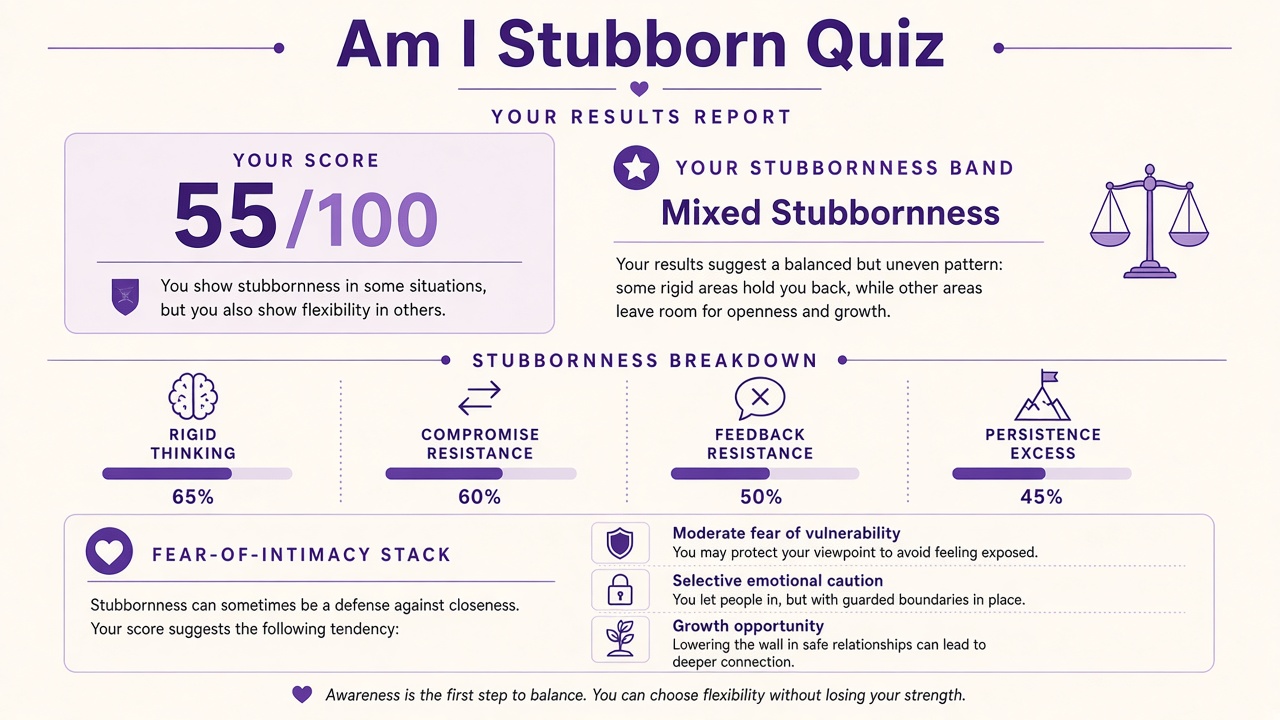
What this quiz can and cannot tell you
Can tell you
- How you report april fools literacy index patterns on this screener
- A april fools literacy index and four domain bars plus fear-of-intimacy stack
- Which domain feels strongest or weakest in your answers today
- A baseline before retaking after study, therapy, or life changes
Cannot tell you
- Certify zodiac identity, personality type, or relationship compatibility
- Replace validated clinical or couples therapy instruments
- Predict life outcomes from entertainment quiz scores
- Label you permanently based on one self-report session
April Fools Quiz vs sibling quizzes on The Quiz Hub
People search April Fools quiz when viral pranks flood feeds and they want to know whether they spot hoaxes or spread them. The Quiz Hub built this agree-disagree screener using Museum of Hoaxes archives, Snopes fact-check patterns, and classic BBC spaghetti-tree broadcast history (1957), plus a parallel fear-of-intimacy stack for self-report patterns.
Sample items ask whether you verify sources before sharing or whether pranks need consent from the target. Pair with our analyzing arguments quiz or browse the fun and novelty hub.
| Test | Focus |
|---|---|
| Analyzing arguments quiz | Analyzing arguments quiz on logical fallacy spotting |
| Anti-vaccination attitudes scale | Anti-vaccination attitudes scale on health misinformation patterns |
| Fun and novelty tests hub for trivia screeners | Fun and novelty tests hub for trivia screeners |
April Fools Quiz FAQ
What does this april fools quiz measure?
20 agree-disagree items map to four domains plus a fear-of-intimacy stack. You receive a april fools literacy index from 0 to 100. Self-reflection only.
What is the fear-of-intimacy stack?
A second results chart with vulnerability pull-back, trust hesitation, self-disclosure limits, and closeness anxiety adapted to this topic.
How long does the quiz take?
About 4 minutes for 20 items with session autosave.
Who reviewed this content?
Dr. James Whitfield, PhD, reviewed the test framing and result explanations. See our editorial policy for review standards.
Can this quiz label me permanently?
No. Scores describe current self-report habits on this screener, not fixed identity or compatibility verdicts.
Can I retake the quiz?
Yes. Session data saves in your browser until you clear it or retake from results.
Reviewed by