What the Health Attitude Index 524 measures
This quiz does not administer the published Health Attitude Index 524, certify treatments, or replace emergency care. It measures how much you agree with health skepticism statements grouped four ways: healthy skepticism balance about doubt without total cynicism; media health literacy about headlines, study design, and funding context; sharing health advice norms about consent before coaching relatives; and unofficial Index 524 limits about playful study captions and refusing to treat bar height as peer review proof. You rate 22 statements from strongly disagree to strongly agree, with reverse-worded traps so one lucky guess cannot inflate every bar. Your answers also feed a second chart on closeness and trust habits, because health debates sometimes push argumentative withdrawal. The total becomes an index from 0 to 100 where higher means more reported skepticism literacy on this unofficial screener.
Healthy skepticism balance
Doubt hype without rejecting all medicine.
Media health literacy
Headlines checked against methods.
Sharing health advice norms
Consent before coaching dumps.
Unofficial Index 524 limits
Literacy mirror; clinicians own care calls.
How it works
Answer 22 agreement items
Rate each statement from Strongly disagree to Strongly agree. Tap Next after each answer.
Answers sort into four domains
Each answer feeds one of four skepticism literacy groups, and every item also feeds a closeness and trust layer.
See your index and charts
You get a 0 to 100 index, a band, four domain bars, and a second chart for intimacy habits.
Take the Health Attitude Index 524
Answer 22 short statements to see your Health Attitude Index 524, four domain bars, and a closeness and trust chart.
What your result means
Your index is the average of all 22 answers, scaled from 0 to 100, with reverse-worded items flipped first. Read unofficial limit bars together with sharing norms before you treat a high score as fact-check authority. Gentle reflection supports kinder conversations; licensed clinicians still own treatment paths.
| Band | Index range | Typical reading |
|---|---|---|
| Building skepticism literacy | 0 to 35 | Fewer agreed habits on skepticism balance, media literacy, sharing norms, or unofficial 524 limits. |
| Mixed skepticism literacy | 36 to 65 | Solid caution with cynicism slips, rumor sharing, or index substitution myths. |
| Strong skepticism literacy | 66 to 100 | Frequent agreement with skepticism, literacy, sharing norms, and unofficial limits; still reflection only. |
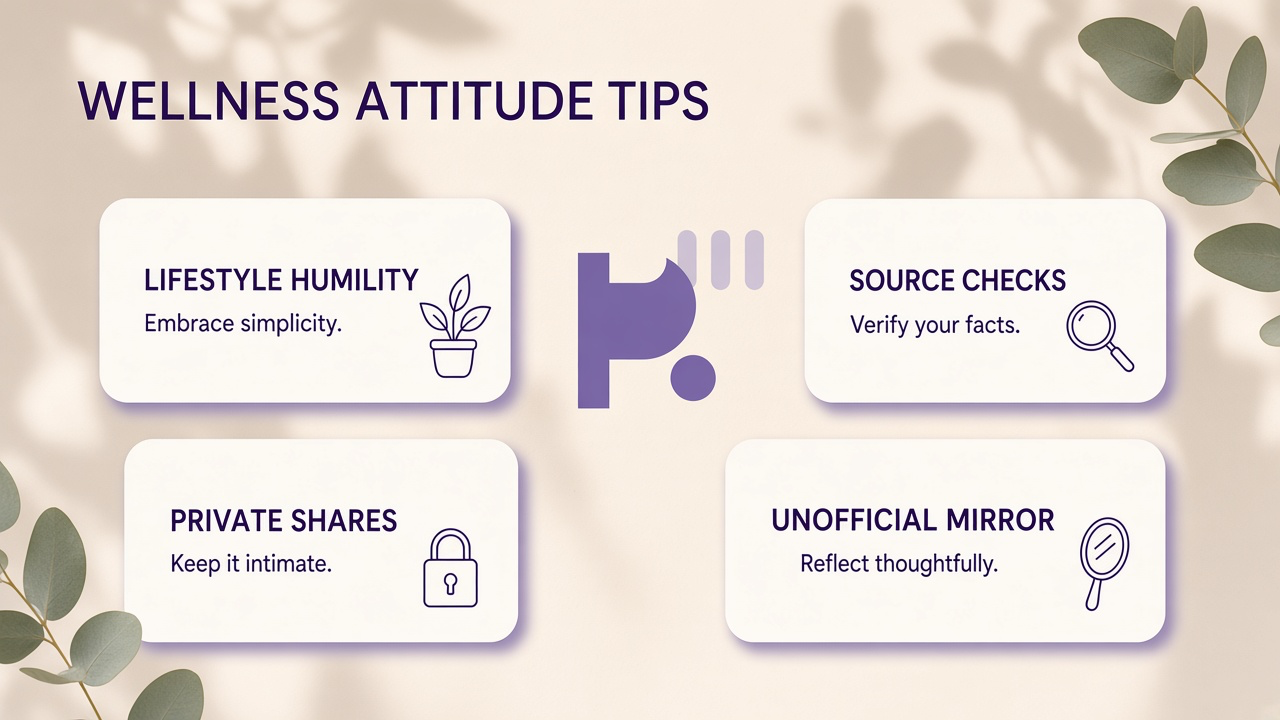
Tips at a glance
A quick takeaway graphic with topic tips (not your personal quiz scores). Start the quiz for your index, bands, and charts.
What this quiz can and cannot tell you
Can tell you
- Highlight skepticism, literacy, and sharing habits worth revisiting before public dunk threads
- Separate playful literacy from published Index 524 substitution myths
- Encourage source checks and consented advice without shame spirals
- Spark better conversations about health media without claiming diagnostic authority
Cannot tell you
- Replace licensed medical advice, pharmacists, or emergency evaluation
- Prove treatments are safe or dangerous from one agree screener
- Give permission to shame patients who follow clinicians from bar height
- Predict medical outcomes or declare who is gullible from skepticism bars alone
Why Index 524 searches need skepticism balance, media literacy, and unofficial limits
Search traffic around Health Attitude Index 524 usually wants a numbered label for skepticism, headline checking, and sharing manners without reading validation footnotes. Those goals help when readers pause before miracle posts, read methods, and keep agree bars away from peer-review cosplay. They hurt when index totals become proof you may mock relatives as gullible, or when cynicism memes skip manners because a bar looked tall.
Healthy skepticism balance tracks doubt without rejecting every clinic out of reflex. Media health literacy tracks funding, sample size, and absolute versus relative risk before panic sharing. Sharing health advice norms tracks consent before protocol dumps in group chats. Unofficial Index 524 limits keep screeners separate from published file ads and influencer dunk threads.
Readers mix bars. You might score high on literacy while sharing norms stay moderate during heated news weeks. You might score high skepticism with softer limit items, which can mean you avoid public verdicts yet still treat quiz totals like journal citations. Reverse items catch conspiracy and surprise-advice traps that should not inflate bars meant to track layered literacy manners.
Pair results with siblings instead of forcing one forever-cynical story. Our health attitude index 523 sibling emphasizes prevention and clinician trust rather than media skepticism lanes here. Our health attitudes scale widens wellness optimism and social norm language. Browse the personality and psychology hub for more reflection tools. Retake after one news-heavy month and compare domain bars calmly.
| Test | Focus |
|---|---|
| Health attitude index 523 | Prevention and clinician trust stems rather than skepticism-media lanes on Index 524 |
| Health attitudes scale | Wellness optimism and social norm items rather than numbered 524 skepticism focus |
| Personality and psychology hub | More attitude and self-concept reflection quizzes |
Health Attitude Index 524 FAQ
What does Health Attitude Index 524 measure?
It measures how much you agree with statements about healthy skepticism, media literacy, sharing norms, and unofficial Index 524 limits. You get an index from 0 to 100 plus four bars. It reflects self-rated literacy on this screener, not a published 524 clinical score.
Is this the official published Index 524?
No. This page is unofficial reflection inspired by numbered index search intent, not a licensed validation file. Treat your bars as conversation starters, not peer-reviewed verdicts.
How is this different from Health Attitude Index 523?
Index 524 centers skepticism, media literacy, and sharing norm lanes. The 523 sibling uses separate prevention and clinician trust stems rather than cynicism-media items here.
Does a high score mean I should ignore doctors?
No. Higher bars describe skepticism and sharing habits you reported on this quiz, not instructions to avoid licensed care. Seek clinicians when symptoms feel urgent.
Who reviewed this quiz?
Dr. Priya Sharma reviewed the educational framing, unofficial index limits, and result explanations. See our editorial policy for review standards.
Reviewed by