What this appendicular skeleton quiz measures
This appendicular skeleton quiz estimates self-reported recall of limb and girdle anatomy. Twenty original agree-disagree items group into upper limb bones, lower limb bones, girdle bones, and joint landmarks following themes from Marieb human anatomy texts and OpenStax A and P units. Each item also maps to a fear-of-intimacy stack layer. A second results chart inspired by FOIS-style intimacy avoidance themes from Descutner and Thelen (1991), adapted to this topic. Your appendicular skeleton knowledge index averages these patterns into a 0 to 100 score.
Upper limb bones
Humerus, radius, ulna, carpals, metacarpals, and phalanges from shoulder to fingertips.
Lower limb bones
Femur, patella, tibia, fibula, tarsals, metatarsals, and phalanges from hip to toes.
Girdle bones
Scapula, clavicle, and pelvic bones that connect limbs to the axial skeleton.
Joint landmarks
Shoulder, elbow, hip, knee, and ankle articulations with surface landmark names.
How it works
Answer 20 agree-disagree items
Rate each agree-disagree statement. You click Next after each answer; there is no auto-advance.
Items map to domains and intimacy stack
Answers accumulate percentages for four primary domains plus four fear-of-intimacy stack layers.
View index, band, and charts
Results show Lower, Mixed, or Higher signal bands with domain bars and stack chart.
Take the appendicular skeleton quiz
Complete 20 items to receive your appendicular skeleton knowledge index, four domain bars, and fear-of-intimacy stack chart.
What your result means
Your appendicular skeleton knowledge index is the normalized total across all 20 items on a 0 to 100 scale. Domain bars show which bone family needs more lab review.
| Band | Index range | Typical reading |
|---|---|---|
| Lower Appendicular Skeleton Knowledge | 0 to 35 | Gaps in appendicular skeleton anatomy recall are common without recent OpenStax A and P review |
| Mixed Appendicular Skeleton Knowledge | 36 to 65 | Solid recall mixed with fuzzy spots worth targeting before mock exams |
| Higher Appendicular Skeleton Knowledge | 66 to 100 | Steady recall across domains; still not a substitute for proctored AP exams |
What your report looks like
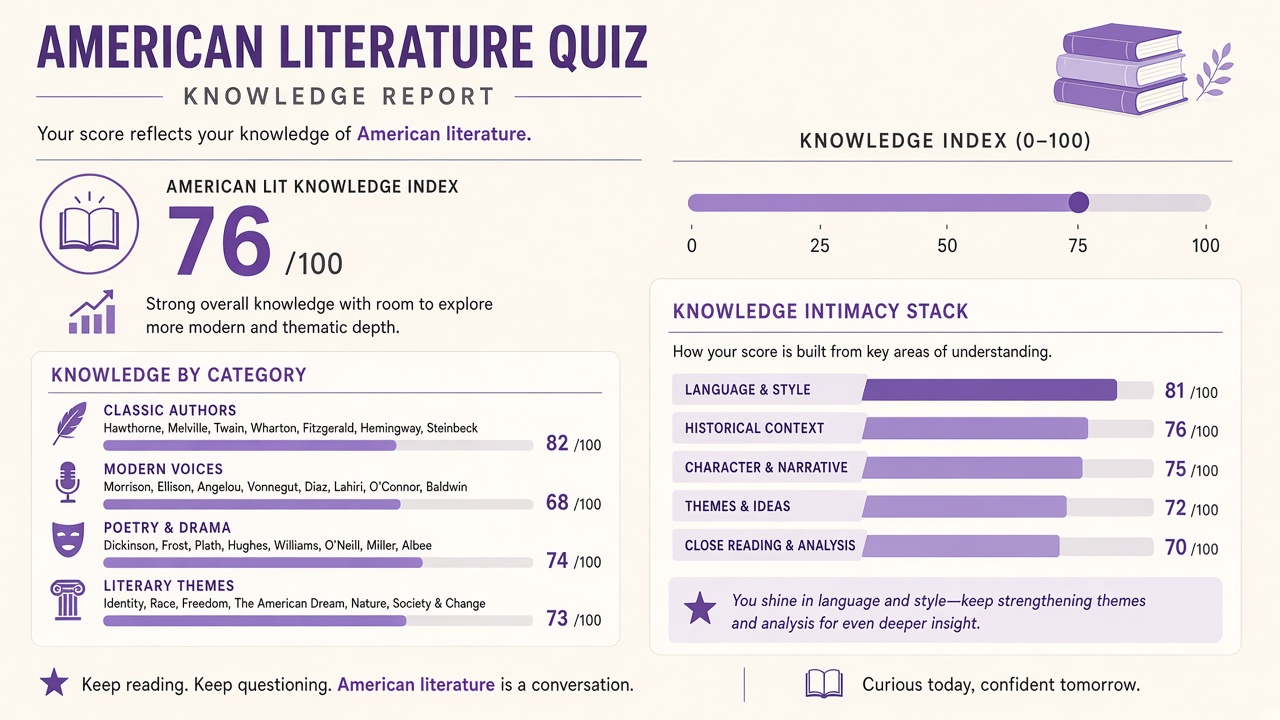
What this quiz can and cannot tell you
Can tell you
- Which appendicular domains feel strongest or weakest in your self-report today
- An appendicular skeleton knowledge index and four domain bars plus fear-of-intimacy stack
- A study baseline before anatomy practicals or nursing exams
- Which girdle or joint landmark unit deserves flashcard time first
Cannot tell you
- Diagnose fractures, sprains, or any medical condition
- Replace cadaver lab, imaging interpretation, or clinical assessment
- Certify nursing or medical licensure competency
- Measure palpation skill beyond recall items on this screener
Lab practical prep vs this appendicular screener
Anatomy courses split the skeleton into axial and appendicular regions for lab practicals. Online trivia rarely shows domain bars or intimacy-stack patterns when science shame blocks asking teaching assistants for help. This quiz adds a 0 to 100 index with four appendicular domains inspired by standard A and P curricula, not a reproduction of any publisher test bank.
Sample items ask whether you recall girdle bones, tarsals versus metatarsals, or knee joint components. Pair results with our anatomy and physiology quiz for whole-body review or animal brain quiz for comparative neuro siblings on The Quiz Hub.
| Test | Focus |
|---|---|
| Anatomy and physiology quiz | Whole-body systems recall beyond limb bones alone |
| Animal brain quiz | Comparative neuroanatomy, not limb osteology |
| AP psych unit 2 quiz | Neuroscience psychology units, not bone labeling |
Appendicular Skeleton Quiz FAQ
What does this appendicular skeleton quiz measure?
20 agree-disagree items map to four anatomy domains plus a fear-of-intimacy stack. You receive an appendicular skeleton knowledge index from 0 to 100. Not medical diagnosis.
How is this different from the full anatomy quiz?
This quiz covers limb and girdle bones only. The anatomy and physiology sibling spans multiple body systems with a separate question bank.
Do I need a lab atlas open while taking it?
No. Items are agree-disagree recall statements. An atlas helps after results when you drill weak domain bars.
What is the fear-of-intimacy stack?
A second results chart with vulnerability pull-back, trust hesitation, self-disclosure limits, and closeness anxiety layers adapted to academic stress.
How long does the quiz take?
About 4 minutes for 20 items with session autosave.
Who reviewed this content?
Dr. James Whitfield, PhD, reviewed the test framing and result explanations. See our editorial policy for review standards.
Reviewed by