What this AP psych unit 2 quiz measures
This unit 2 quiz estimates how confidently you recall biological bases themes from the AP Psychology CED. Twenty original agree-disagree items group into neuroscience, endocrine system, genetics and behavior, and neural communication. Each item also maps to a fear-of-intimacy stack layer. A second results chart inspired by FOIS-style intimacy avoidance themes from Descutner and Thelen (1991), adapted to AP study topics. Your AP psych unit 2 knowledge index averages these patterns into a 0 to 100 score.
Neuroscience
Brain lobes, medulla, scanning methods, and neuroplasticity.
Endocrine system
Adrenal stress hormones, pituitary feedback, and oxytocin.
Genetics and behavior
Twin studies, heritability limits, and nature-nurture interaction.
Neural communication
Resting potential, synapses, agonists, antagonists, and all-or-none firing.
How it works
Answer 20 agree-disagree items
Rate each agree-disagree statement from Strongly disagree to Strongly agree. You click Next after each answer.
Items map to domains and intimacy stack
Answers accumulate percentages for four primary domains plus four fear-of-intimacy stack layers.
View index, band, and charts
Results show Lower, Mixed, or Higher signal bands with domain bars and stack chart.
Take the ap psych unit 2 quiz
Complete 20 items to receive your AP psych unit 2 knowledge index, four domain bars, fear-of-intimacy stack chart, and band label.
What your result means
Your AP psych unit 2 knowledge index is the normalized total across all 20 items on a 0 to 100 scale. Domain bars show which biological theme drives your result most.
| Band | Index range | Typical reading |
|---|---|---|
| Lower AP Psych Unit 2 Knowledge | 0 to 35 | Gaps in AP Psychology Unit 2 recall are common without recent AP Psychology Unit 2 review |
| Mixed AP Psych Unit 2 Knowledge | 36 to 65 | Solid recall mixed with fuzzy spots worth targeting before mock exams |
| Higher AP Psych Unit 2 Knowledge | 66 to 100 | Steady recall across domains; still not a substitute for proctored AP exams |
What your report looks like
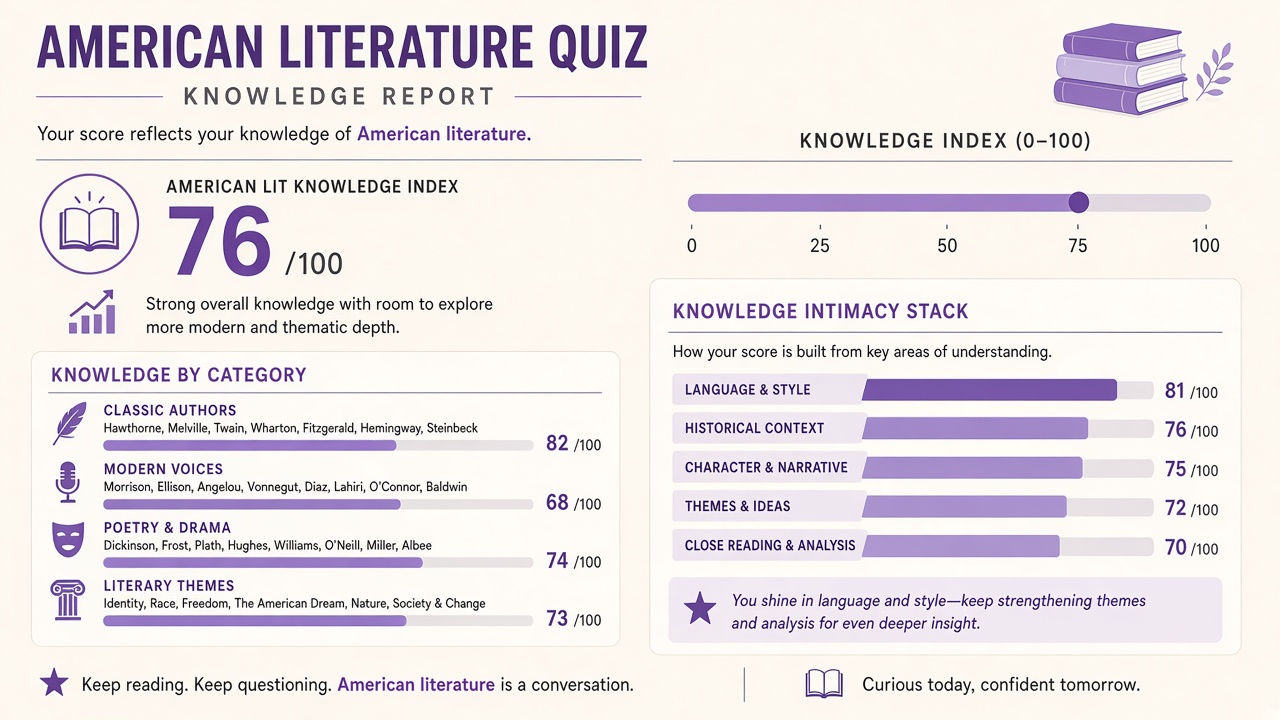
What this quiz can and cannot tell you
Can tell you
- How confidently you report recalling Unit 2 biological bases themes
- An AP psych unit 2 knowledge index and four domain bars plus fear-of-intimacy stack
- Which domain (neuroscience, endocrine, genetics, neural comm) feels strongest or weakest today
- A baseline before Progress Check 2 or brain diagram labeling
Cannot tell you
- Diagnose neurological or endocrine disorders
- Predict your AP exam score from 1 to 5
- Replace the full-course AP psych quiz covering methods and social units
- Certify course completion for school transcripts
Unit 2 bio bases vs full-course AP psych quiz
Students often mix Piaget stages with brain lobe functions. This quiz isolates Unit 2 domains so you know whether endocrine hormones or synaptic transmission need review before cognition units.
Sample items ask about cortisol, twin studies, and agonist drugs. Pair with the full AP psych quiz after Unit 9. Browse the IQ and cognitive hub for study siblings.
| Test | Focus |
|---|---|
| AP psych quiz | Full-course methods through social psychology |
| Animal brain quiz | Comparative neuroanatomy trivia, not AP Unit 2 |
| Anatomy and physiology quiz | Body systems rather than psych experiments |
AP Psych Unit 2 Quiz FAQ
What does this AP psych unit 2 quiz measure?
20 agree-disagree items map to neuroscience, endocrine, genetics, and neural communication plus a fear-of-intimacy stack. Unit 2 only. Study aid.
How is this different from the full AP psych quiz?
This quiz covers biological bases only. The full-course sibling includes research methods, cognition, and social psychology with a separate question bank.
Do I need to draw neuron diagrams for this quiz?
No. Items are agree-disagree recall statements. Diagram labeling remains important for class labs and FRQs.
What is the fear-of-intimacy stack?
A second chart with vulnerability pull-back, trust hesitation, self-disclosure limits, and closeness anxiety adapted to academic stress.
How long does the quiz take?
About 4 minutes for 20 items with session autosave.
Who reviewed this content?
Dr. James Whitfield, PhD, reviewed the test framing and result explanations. See our editorial policy for review standards.
Reviewed by