How to Forget an Ex After a Breakup: Psychologist-Backed Steps
Last updated:
Educational only: This article explains psychologist-informed coping after romantic breakups. It is not couples therapy, legal advice, or a substitute for care from a licensed mental health professional. If an ex threatens you, stalks you, or you fear physical harm, call or text 988 (U.S.), contact Samaritans at 116 123 (UK), or use local emergency services. For ongoing abuse, the National Domestic Violence Hotline is 1-800-799-7233.
Learning how to forget an ex after a breakup, in psychologist language, means lowering how much brain space they occupy, not deleting memories like a file. Healing blends grief work, fewer contact loops that reactivate attachment panic, and new routines that teach your nervous system you can function without their daily input. Timelines are uneven: a good month can collapse when a song or mutual friend triggers a wave. Abuse, stalking, or coparent stress changes the playbook; safety planning beats nostalgia tips every time.
Key takeaways
- "Forget" usually means less rumination and urgency, not zero memories.
- Grief after a breakup often peaks early but resurfaces around reminders and shared obligations.
- No contact for thirty to ninety days can help when contact fuels false hope or fights, if safety allows.
- Abuse history requires advocate support; generic silence can raise risk for some survivors.
- Attachment and intimacy patterns shape who feels hardest to release; screeners clarify themes, not reunion odds.
- Therapy helps when grief, trauma, or depression blocks sleep, work, or safety for months.
What psychologists mean by "moving on"
Clinicians rarely promise you will never think of an ex again. Romantic partners often become primary attachment figures; when the bond ends, the brain still scans for their cues the way it scans for food or shelter threats (Hazan and Shaver, 1987). Forgetting, in daily life, looks like catching yourself mid-spiral faster, choosing not to act on urge-to-text, and rebuilding identity outside the relationship label.
Memory is sticky when it was paired with intense reward or unpredictable warmth. Research on intermittent reinforcement shows why one kind reply can undo weeks of discipline (Schultz, 2015). Psychologists therefore focus on behavior: what you do in the first hour after a craving, whether you mute triggers, and whether you feed hope with social media checks. Insight alone rarely stops the loop without structure.
If you were married or shared a home, the emotional task overlaps with divorce grief. Our guide on how to cope with divorce covers identity shifts, coparent friction, and when legal stress prolongs mood dips. Even without papers, long cohabitation can produce similar waves.
Breakup grief timeline: what waves often look like
Timelines vary by attachment style, who initiated the split, whether betrayal was involved, and how much contact continues. The table below is a psychologist-leaning sketch, not a scorecard. Some people feel relief early; others feel numb first and crash later. Coparent calendars, lease endings, and holidays can restart grief without meaning you regressed permanently.
| Phase (approximate) | Common experiences | Helpful focus |
|---|---|---|
| First 2 to 4 weeks | Shock, sleep disruption, appetite changes, urge to text or bargain | Basic routines, crisis line if hopelessness is unsafe, pause major life decisions |
| 1 to 3 months | Anger, replaying arguments, comparing yourself to their social life | No contact when safe, mute triggers, journal facts vs stories |
| 3 to 6 months | Softer sadness, occasional good days, triggers from places or songs | Rebuild friendships, therapy if rumination blocks work, gentle dating only if stable |
| 6 to 12 months | Identity without partner role feels more real; waves around anniversaries | Values-based goals, screen for depression if functioning stays low |
| 12 months and beyond | Memories may sting briefly; less daily preoccupation for many | Trauma care if abuse history still drives hypervigilance in new relationships |
| Coparent or shared assets ongoing | Grief spikes at handoffs, school events, new partner introductions | Logistics-only scripts, parallel parenting when conflict is high |
If intense distress continues past twelve to eighteen months without gradual easing, ask a clinician about prolonged grief or trauma responses. That is different from still caring about someone you co-parent with; it is about whether you can eat, work, and stay safe.
No contact when it is safe (and what to do instead when it is not)
No contact means you stop initiating messages, calls, and social media monitoring for a planned period so your brain can detach from reward cues tied to their replies. It is not punishment and not a guarantee they will return. Psychologists often suggest thirty to ninety days when you were left, when every conversation becomes a fight, or when you chase closure that never arrives.
Exceptions are normal. Shared children, court orders, lease endings, or returning belongings may require brief, neutral coordination. In those cases, use logistics-only language from our communicating with an ex psychologist advice piece: one topic, neutral tone, and a deadline. Coparent apps and email can shrink emotional leakage better than late-night texts.
Abuse caveat: If the relationship included threats, stalking, coercive control, or violence, copying influencer no-contact rules without support can be dangerous. Some abusers escalate when access drops. Work with the National Domestic Violence Hotline or a local advocate on safety plans, documentation, and legal protective orders before you announce boundaries publicly. Block when it is safe to do so; keep evidence when law enforcement may need it. Your goal is protection, not winning a silence contest.
When no contact is safe but hard, pair it with concrete substitutes: a walk when urge-to-text hits, a friend on speed dial for ten-minute venting, and removing their name from your favorites bar. Treat checking their profile as contact even if you never send words; clinicians count monitoring as reopening the attachment channel.
Attachment, abandonment fear, and emotional distance
Some people struggle to "forget" because protest behaviors feel like love. Anxious patterns may send double texts, seek reassurance, or interpret silence as proof they are unlovable. Avoidant patterns may look fine publicly while numbing with work or rebounds, then crash in private. Neither style means you failed; they are learned strategies that made sense in earlier relationships.
If you panic when partners pull back, read fear of abandonment signs and healing for grounded steps that do not require chasing an ex for proof. If your ex shut down during conflict, our article on emotional withdrawal causes and how to reconnect explains distance in ongoing relationships; after a breakup, the same shutdown patterns explain why closure talks felt one-sided. Use that knowledge to choose healthier partners later, not to rewrite the past.
Take the free attachment style test if you want language for patterns to bring to therapy. It does not label you forever or tell you whether reunion is wise. Pair results with the fear of intimacy quiz when new dating scares you more than missing your ex.
Reduce rumination without fighting your feelings
Rumination is repetitive thought about why the breakup happened and how it could have gone differently. Cognitive behavioral therapists often track triggers (time of day, alcohol, lonely weekends) and insert a short delay before acting. Emotion-focused therapists validate sadness while teaching you to tolerate waves without texting. Both approaches agree that arguing with "I should be over this by now" usually deepens shame.
Practical steps include limiting story-retelling to one trusted friend per week, writing unsent letters you delete, and removing memorabilia from your bedside until grief softens. Exercise and sleep hygiene sound basic, but they lower the arousal that fuels late-night scrolling. If you use substances to mute pain, note whether mornings feel worse; that pattern is worth mentioning to a clinician.
Social media algorithms reward ex-related content. Mute, unfollow, or ask friends not to relay updates. You are not immature for protecting your feed; you are reducing cues that keep the bond artificially alive.
Rebuild identity and support outside the couple
Couples often merge routines: shows, gyms, friend groups, future plans. After a split, empty weekends can feel like proof you are nothing without them. Psychologists encourage re-expanding roles you paused: hobbies, volunteering, career skills, or friendships that do not center the ex. Small wins matter more than dramatic reinvention posts.
Dating too fast can confuse grief with novelty. If you date while still monitoring your ex, new partners often feel like placeholders. A simple rule: wait until you can hear about your ex dating without sending a message or drafting a speech. That bar is about stability, not punishment.
When work or family pressure says "snap out of it," remind them grief has a nervous system component. Ask for concrete help (meals, childcare coverage) instead of vague cheerleading. Peer support groups for separation or divorce can normalize waves without turning into ex-bashing sessions.
When professional help makes sense
Therapy helps when rumination blocks sleep for weeks, you cannot perform at work, you rely on alcohol or self-harm urges, or abuse memories intrude as flashbacks. Individual therapists can map triggers, build urge delays, and screen for depression. Trauma-focused care may be appropriate after betrayal or violence even if the relationship ended.
Couples therapy with an ex is rare and only appropriate when both people want reconciliation, violence screening is clear, and no active stalking is present. Otherwise solo therapy plus strict boundaries is the safer default. Medication is sometimes useful for depression or anxiety that outlasts the first grief wave; a prescriber needs your full history, not a quiz score.
Browse the Mental Health & Clinical test category for screeners that flag mood and stress patterns to discuss with a clinician. They do not diagnose or replace emergency care. Call or text 988 in the U.S. if you have thoughts of suicide.
Related quizzes on The Quiz Hub
Self-assessments highlight themes for conversation with a professional. They cannot tell you to call your ex, predict reunion success, or measure whether no contact "worked."
- Attachment style test: maps closeness and distance habits that may intensify post-breakup protest or numbness. Useful before therapy intake; not a reunion predictor.
- Fear of intimacy quiz: screens avoidance of closeness that can surface when new dating begins. Helpful if you miss the idea of your ex more than the daily reality together.
- Mental Health & Clinical category: mood and stress screeners with plain-language limits when grief feels stuck or unsafe.
Tips at a glance
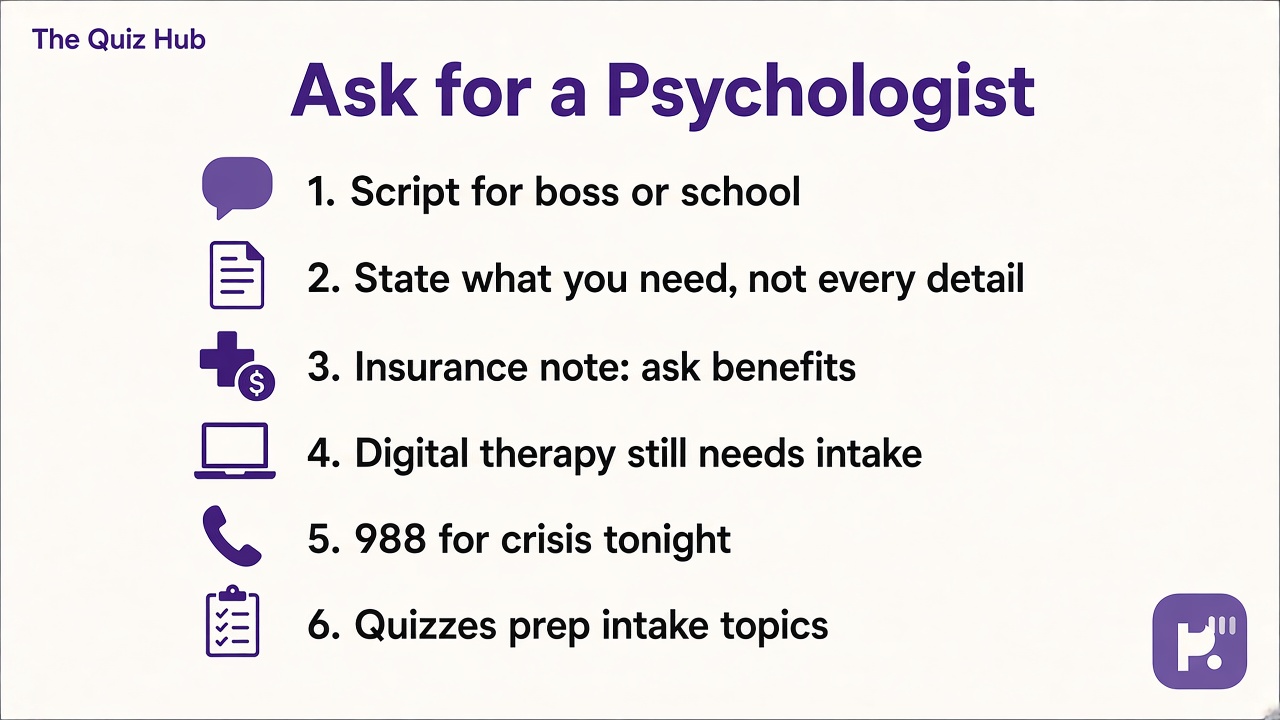
The hero graphic summarizes the same ideas: grief moves in waves, no contact helps when safe, abuse requires safety planning first, shrink trigger loops, use quizzes for reflection not reunion bets, and call crisis lines when hopelessness is unsafe.
Frequently asked questions
Can you actually forget an ex after a breakup?
Psychologists usually talk about reducing how often your ex dominates your thoughts, not wiping memories clean. Brain networks that paired them with reward and safety fade when you stop rehearsing contact and when new routines fill the day. Flashbacks on anniversaries or in shared places can still appear years later without meaning you failed. Progress looks like shorter rumination episodes and less urgency to check their social feeds.
How long does breakup grief last?
Many people feel the sharpest distress in the first three to six months, with waves that can return around holidays, weddings, or coparent events. Complicated grief patterns may linger past twelve to eighteen months when trauma, abuse, or unresolved logistics keep the wound open. If daily functioning stays crushed, sleep does not return, or you cannot eat, a clinician can screen for depression or trauma responses that need targeted care.
When should I use no contact after a breakup?
No contact helps when every reply reopens fights, jealousy, or false hope and when no children or court orders require coordination. A common starting window is thirty to ninety days so reward circuits tied to their responses can cool. Skip treating no contact as a game to win them back. If you coparent, use brief logistics-only messages instead of full silence, and read our ex contact guide for scripts.
What if the relationship involved abuse or stalking?
Safety planning comes before breakup etiquette. An abusive ex may escalate when you go silent, so work with a domestic violence advocate on documentation, blocks, and legal orders rather than copying generic no-contact advice from the internet. The National Domestic Violence Hotline (1-800-799-7233) and local police take threats seriously. Therapy can help after basic safety is stable; it cannot replace an advocate when you fear harm.
Why do I still miss my ex even though they hurt me?
Attachment bonds do not switch off when logic says the relationship was harmful. Intermittent warmth, shared history, and loneliness can make the nervous system crave reunion even when your values say stay away. That push-pull is common after emotional neglect or cycles of conflict. Naming the pattern with a therapist and building support outside the relationship usually helps more than debating whether you should feel guilty for missing them.
Do breakup or attachment quizzes mean I should reach out?
No. Screeners such as our attachment style test or fear of intimacy quiz highlight patterns worth discussing with a clinician. They cannot predict whether your ex wants contact, whether reunion is safe, or whether you are "over it." Readiness is behavioral: you can think about them without sending a message or refreshing their profile for hours.
Sources
- Hazan, C., & Shaver, P. (1987). Romantic love conceptualized as an attachment process. Journal of Personality and Social Psychology, 52(3), 511-524.
- Schultz, W. (2015). Neuronal reward and decision signals: From theories to data. Physiological Reviews, 95(3), 853-951.
- American Psychological Association. (2023). Divorce and co-parenting resources.
- Centers for Disease Control and Prevention. (2022). Intimate partner violence prevention.
- National Domestic Violence Hotline. (2024). Stalking and digital abuse.