What this kin test measures
This kin test screens eight common otherkin type profiles through original agree-disagree statements about non-human connection, fiction and coping lanes, community comfort, and identity integration. Higher scores on a profile mean more resonance with that kin lane on these items, not literal biology or a clinical label. Otherkin language here is reflective subcultural identity exploration, not mockery or gatekeeping.
Dragonkin
Draconic presence, hoarded treasures, and boundary fire beneath daily life.
Elfkin
Fae stillness, forest grace, and otherworldly sensitivity.
Fictionkin
Bonds to fictional worlds, characters, and narrative identity.
Mythkin
Phoenix rebirth, griffin courage, and legendary creature resonance.
Celestialkin
Star-touched perspective, lunar cycles, and cosmic distance.
Elementalkin
Fire, water, earth, and wind as inner weather language.
Voidkin
Shadow stillness, liminal quiet, and identity in the in-between.
Naturekin
Plant pulse, forest roots, and rooted belonging beyond animal lists.
How it works
Three steps from first statement to your kin identity report. Click Start Quiz to open the interactive test in a full-screen modal.
Answer 24 statements
Rate how much you agree with each identity resonance item on a five-point scale from strongly disagree to strongly agree. There is no timer and no auto-advance between items.
Items map to types and domains
Your answers accumulate scores across Dragonkin, Elfkin, Fictionkin, Mythkin, Celestialkin, Elementalkin, Voidkin, and Naturekin items plus four domains: non-human connection, fiction and coping lanes, community comfort, and identity integration. Some items are reverse-coded so hesitation about a lane lowers that profile score.
View match and guidance
Results show a primary kin type, runner-up, domain bars, profile percent chart, clarity bands, guidance notes, and a kin resonance index grouped into Still Exploring, Finding Your Kin Sense, or Defined Kin Identity.
Take the kin test
Rate 24 statements about non-human connection, fiction and coping lanes, community comfort, and identity integration. Your answers produce a primary kin type match, runner-up, four domain bars, full profile chart, and reflective guidance note for otherkin identity exploration today.
Opens in a focused modal. No account required. Results stay on screen.
What your result means
Each profile score is the sum of its three items normalized to a percent of maximum. Your primary kin type is the highest bar. The runner-up is second. Four domain bars show whether non-human connection, fiction lanes, community, or integration drive your pattern most. Clarity bands group how decisively one profile leads. The kin resonance index sums all twenty-four items into a 0 through 100 exploration-to-clarity snapshot.
| Clarity band | Primary profile % | Typical reading |
|---|---|---|
| Mixed Kin Resonance | 0 to 45% | Several types share top scores; layered identity or still sampling lanes |
| Clear Kin Lean | 46 to 65% | One type leads with a visible runner-up accent |
| Strong Kin Pull | 66 to 100% | One profile dominates; runner-up adds nuance rather than rivalry |
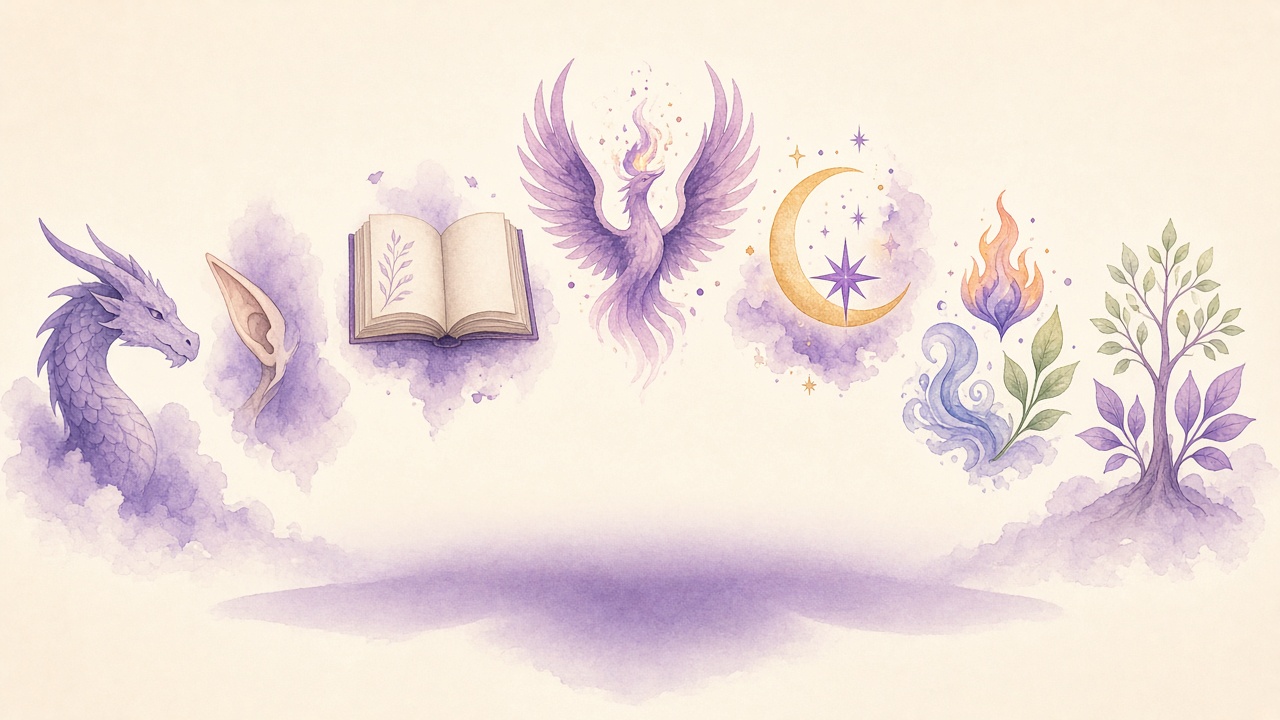
Eight otherkin type profiles in this test
The diagram below shows how profile scores feed a primary match and runner-up read. Strong Fictionkin with a Voidkin runner-up, for example, might mean story-bound identity with liminal quiet accents rather than a single label.
What this test can and cannot tell you
Can tell you
- Which otherkin type language fits your self-report today
- A runner-up profile for blend-friendly resonance ideas
- Domain bars across connection, fiction lanes, community, and integration
- A starting vocabulary before exploring respectful otherkin communities
Cannot tell you
- Whether you are literally a non-human entity in a biological sense
- A clinical diagnosis or validated identity assignment
- Whether a community must accept or reject your otherkin identity
- How others must interpret your social behavior
Otherkin identity, fictionkin awareness, and healthy communities
Otherkin identity describes a reflective sense of non-human selfhood in a subcultural, metaphorical sense, not a claim that biology changed overnight. Kin test searches often mean "help me find language for how I experience my inner self" rather than "prove I am literally a dragon." This test borrows that intent with twenty-four original statements about connection, fiction lanes, belonging, and integration without mocking anyone or ranking kin types by perceived toughness.
It is not a clinical instrument, not a community membership card, and not comparable to validated identity batteries used in research labs. For animal therian framing with its own question set, take our live therian test sibling. For creative fursona persona language, try our live fursona quiz. For archetype guidance without otherkin labels, try our live spirit animal quiz.
Sample item: agreeing that a fictional character feels like part of your identity vocabulary raises your Fictionkin profile score. Agreeing that naturekin language feels too passive lowers that score on a reverse-coded item. Identity shifts with seasons, stress, and community context. Read how we review quizzes in our editorial policy.
Kin test FAQ
What does this kin test measure?
This kin test maps your self-reported identity resonance to eight common otherkin type profiles: Dragonkin, Elfkin, Fictionkin, Mythkin, Celestialkin, Elementalkin, Voidkin, and Naturekin. Twenty-four Likert items score non-human connection, fiction and coping lanes, community comfort, and identity integration. Results show a primary kin type, runner-up, four domain bars, eight profile percent bars, clarity bands, and a kin resonance index. It cannot diagnose you, prove literal non-human biology, or gatekeep otherkin communities.
How is this different from the therian test?
This page uses broader otherkin identity framing with its own questions, scoring, and eight kin type profiles focused on non-human entities beyond animal therian lanes. Our live therian test sibling uses animal therian resonance language with a separate codebase. Both can share subcultural respect but stay distinct URLs and item banks.
How long does the kin test take?
Most people finish in about six minutes. There are twenty-four agree-disagree statements on a five-point scale. You can pause and return in the same browser session thanks to session autosave.
What are fictionkin and copingkin in this test?
Fictionkin items ask about bonds to fictional characters, worlds, or stories that feel like identity vocabulary rather than casual fandom. Copingkin awareness items ask whether story or void-adjacent imagery helped you through difficult seasons. The test treats these as reflective identity language, not medical claims or fandom rankings.
Is this test mocking otherkin identity?
No. This test was written for respectful identity exploration with clear disclaimers against mockery, literal biology claims, and community gatekeeping. Results are reflective vocabulary for self-discovery, not jokes at anyone expense.
Who reviewed this content?
Dr. Elena Vasquez, PhD, reviewed the test framing and result explanations. See our editorial policy for review standards.
Reviewed by