
What this AP bio functional groups quiz measures
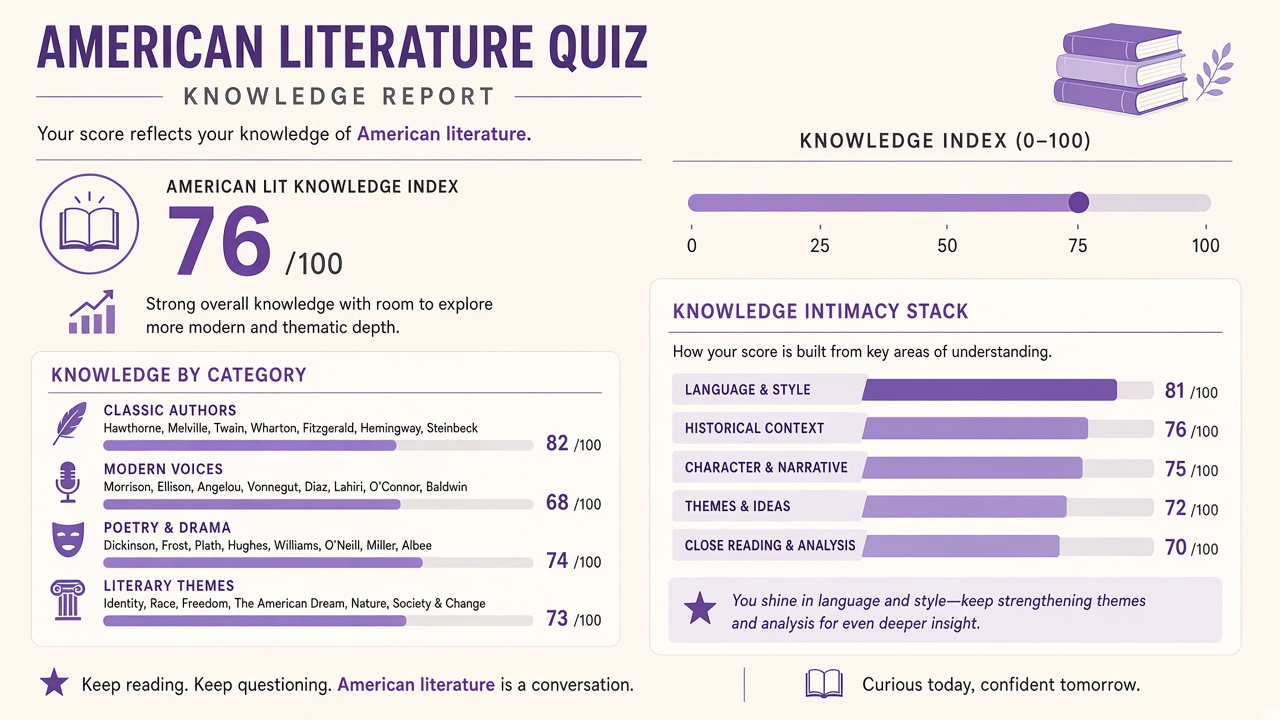
This AP bio functional groups quiz estimates self-reported recall of organic chemistry vocabulary used in AP Biology Unit 1 and related macromolecule units. Twenty original agree-disagree items group into hydrocarbons, oxygen and nitrogen groups, carbonyl chemistry, and biological polymers. Each item also maps to a fear-of-intimacy stack layer. A second results chart inspired by FOIS-style intimacy avoidance themes from Descutner and Thelen (1991), adapted to this topic. Your functional groups knowledge index averages these patterns into a 0 to 100 score.
Hydrocarbons
Alkanes, alkenes, alkynes, aromatic rings, and lipid tail saturation patterns.
Oxygen and nitrogen groups
Hydroxyl, amino, carboxyl, and phosphate groups on biomolecule monomers.
Carbonyl chemistry
Aldehydes, ketones, esters, and polarity that drives hydrogen bonding.
Biological polymers
Dehydration synthesis, hydrolysis, and macromolecule class definitions.
How it works
Answer 20 agree-disagree items
Rate each agree-disagree statement. You click Next after each answer; there is no auto-advance.
Items map to domains and intimacy stack
Answers accumulate percentages for four primary domains plus four fear-of-intimacy stack layers.
View index, band, and charts
Results show Lower, Mixed, or Higher signal bands with domain bars and stack chart.
Take the ap bio functional groups quiz
Complete 20 items to receive your functional groups knowledge index, four domain bars, and fear-of-intimacy stack chart.
What your result means
Your functional groups knowledge index is the normalized total across all 20 items on a 0 to 100 scale. Higher scores mean more endorsed recall on this screener. Domain bars show which chemistry family needs more flashcard time.
| Band | Index range | Typical reading |
|---|---|---|
| Lower Functional Groups Knowledge | 0 to 35 | Gaps in AP biology functional groups recall are common without recent AP study or rereading |
| Mixed Functional Groups Knowledge | 36 to 65 | Solid recall mixed with fuzzy spots worth targeting before the AP exam |
| Higher Functional Groups Knowledge | 66 to 100 | Steady recall across domains; still not a substitute for proctored AP exams |
What your report looks like
What this quiz can and cannot tell you
Can tell you
- Which functional group domains feel strongest or weakest in your self-report today
- A functional groups knowledge index and four domain bars plus fear-of-intimacy stack
- A study baseline before AP Biology unit tests
- Which macromolecule vocabulary deserves review first
Cannot tell you
- Grade an official AP Biology exam or predict your AP score
- Replace lab work, molecular model kits, or teacher feedback
- Certify college credit eligibility
- Measure wet-lab skill or experimental design ability
AP Biology macromolecules vs this functional groups screener
AP Biology exams test functional group recognition when students explain macromolecule structure and enzyme action. Generic trivia lists rarely show domain bars or intimacy-stack patterns when chemistry vocabulary triggers study shame. This quiz adds a 0 to 100 knowledge index with four domains aligned to common Unit 1 themes.
Sample items ask whether you distinguish aldehydes from ketones or map nucleotides to phosphate groups. Pair results with our animal cell quiz for organelle context or AP art history quiz if you study multiple AP subjects. Browse the IQ and cognitive hub for related practice quizzes.
| Test | Focus |
|---|---|
| Animal cell quiz | Organelle and membrane recall with intimacy stack |
| AP art history quiz | Humanities AP recall for multi-subject students |
| Animal classification quiz | Taxonomy recall separate from organic chemistry |
AP Bio Functional Groups Quiz FAQ
What does this AP bio functional groups quiz measure?
20 agree-disagree items map to four chemistry domains plus a fear-of-intimacy stack. You receive a functional groups knowledge index from 0 to 100. Not an official AP exam.
Which AP Biology unit does this cover?
Items align with macromolecule and chemistry-of-life themes common in AP Biology Unit 1 and related polymer units.
Will this predict my AP Biology exam score?
No. Real AP exams include lab-based FRQs and data analysis. This screener tracks self-reported recall confidence only.
What is the fear-of-intimacy stack?
A second results chart showing closeness-guarding layers that sometimes pair with academic intensity, such as hiding confusion from lab partners.
How is this different from the animal cell quiz?
The animal cell quiz focuses on organelles and cell processes. This quiz focuses on organic functional groups and macromolecule linkages.
Who reviewed this content?
Dr. James Whitfield, PhD, reviewed the test framing and result explanations. See our editorial policy for review standards.
Reviewed by
